
A USB token, also known as a digital signature token, is a physical device that requires a password to verify a person’s identification. Without a password, it allows people to access the network. Through user access authentication, it contributes to increased security.
The software that enables authorized users to access and utilize their digital signatures is included with the digital signature token. With two-factor authentication for remote login and validation, they simplify and increase the security of the remote signing process. Understanding the various kinds of tokens.
Types of DSC Tokens
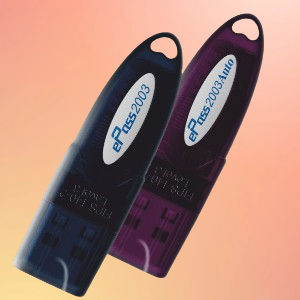
1. ePass2003
A USB token featuring a smart-card chip, ePass2003 is portable and compatible across Windows, macOS, and Linux. It’s designed for securely storing digital signature certificates and is widely adopted for its ease of use.
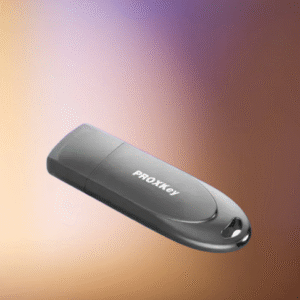
2. Proxkey (Watchdata)
Known for strong two-factor authentication, Proxkey (by Watchdata) is a secure hardware cryptographic token. It uniquely binds the signer’s identity to the digital signature, often referred to as a “virtual fingerprint.”
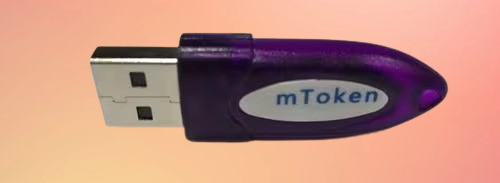
3. mToken
mToken is a plug-and-play USB token, optimized for seamless cloud-based signing and remote usage.
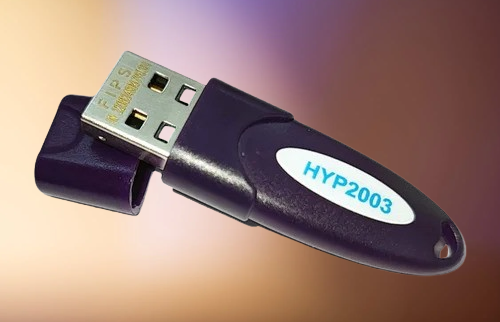
4. HYP2003
This token uses advanced cryptographic techniques to produce unique digital signatures. It ensures high integrity and is trusted by government authorities and businesses in India.
DSC Certificate Classes
DSCs also come in different security classes, which determine their scope of usage:
Class 1: Basic use—for low-risk situations like email authentication.
Class 2 (now mostly phased out): Used for moderate-risk applications such as Income Tax or GST e-filing.
Class 3: Highest security class, mandatory for e-tendering, e-auctions, court filings, and other high-assurance transactions.
| Token Type | Highlights | Use Case / Class |
|---|---|---|
| ePass2003 | Smart-card, cross-platform compatibility | General (Class 1 to 3 use) |
| Proxkey (Watchdata) | High security, two-factor authentication | Often used for high assurance (Class 3) |
| mToken | Plug-and-play, cloud signing ready | Remote/Cloud signing scenarios |
| HYP2003 | Strong cryptography, widely recognized | High-security transactions (Class 3) |
Types of DSC Certificates (Based on Functionality)
These define what your certificate does—whether it is used for signing, encrypting, or both:
Signing DSC:- Used to digitally sign documents like PDFs, tax filings, and forms—validating the signer’s identity.
Encryption DSC:- Used to encrypt information for confidentiality, ensuring only intended recipients can decrypt it.
Combo (Sign & Encrypt) DSC:- Combines both signing and encryption capabilities—commonly used for secure, high-stakes transactions like e-tendering.
What Next?
Let me know if you’d like help with any of the following and I’d be happy to assist:
Choosing a specific token vendor or pricing options .
Application process and requirements for getting a Class 3 DSC.
Selecting between Signing, Encryption, or Combo DSC based on your needs.
Setting up tokens on your system (drivers, compatibility, usage tips).